
Solving Common Industrial Design Challenges with Smart Architectural Strategies
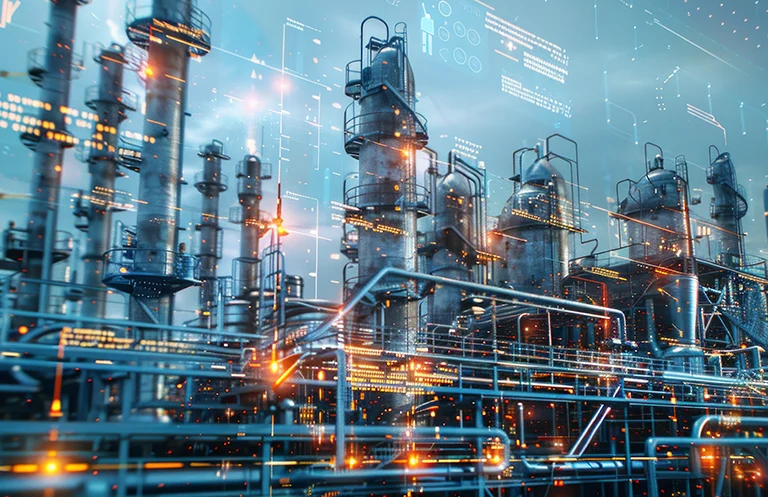
Industrial design has long battled the misconception that it serves utility alone. Yet, in the hands of forward-thinking architects, these spaces can reflect innovation, sustainability, and even beauty. Peeling back the layers, we see that smart architectural strategies can shatter persistent myths about what industrial environments can achieve.
Challenging the Myth: Industrial Design is Just About Functionality
Rigid, utilitarian, and visually unremarkable, this outdated stereotype of industrial spaces still lingers. But is it really true? In reality, thoughtful architectural interventions demonstrate that form and function need not be at odds.
Overcoming the Oversimplification of Industrial Spaces
Historically, many industrial buildings were designed with a bare minimum approach, focused solely on utility and cost savings. However, modern industry demands spaces that foster productivity, adaptability, and even employee satisfaction. Real success comes from designs that anticipate operational needs, streamline workflows, and allow space for technological evolution.
How Smart Architecture Enhances Both Form and Function
Smart architectural strategies integrate advanced materials, creative layouts, and purposeful aesthetics. For example, flexible layouts accommodate diverse machinery and work processes, while engaging facades signal corporate identity to clients and partners. The best solutions prove that an industrial building can be a source of pride, not just a tool.
Debunking the Idea That Industrial Buildings Can’t Be Sustainable
There is a persistent notion that “green” design is only for offices or residential projects. Yet, industrial facilities are often the biggest energy consumers, and the best candidates for sustainability gains.
Integrating Green Technologies in Industrial Design
Savvy architects are embedding sustainability at every stage, from site selection to operational systems. Solar panels, rainwater harvesting, and high-efficiency HVAC systems are increasingly common additions. Smart insulation and daylighting design minimize ongoing energy needs, paying dividends not just for the environment, but for the bottom line.
Case Studies: Energy Efficiency in Industrial Architecture
Consider major distribution centers that have cut energy use by over 40 percent through LED lighting and advanced controls. Factories leveraging geothermal energy have slashed heating costs, while recycling systems keep waste to a minimum. These real-world examples show that sustainability is not just possible, it is practical.
Myth: Industrial Design is Too Costly for Smart Architectural Solutions
Budget constraints often appear as the top roadblock to architectural innovation in industrial design. Is this concern justified?
Cost-Benefit Analysis of Early Smart Design Integration
Investing in smart design up front almost always beats retrofitting later. Early integration of efficiency measures, flexible layouts, and technology infrastructure avoids costly and disruptive modifications down the road. The initial outlay may be higher, but long-term savings and value creation tip the scales.
Budget-Friendly Strategies That Don’t Compromise Quality
Architects deploy value engineering to uncover cost-effective materials and construction methods. Simple interventions, like modular partitions or multipurpose areas, deliver flexibility at a fraction of the cost. The key is strategic planning, where every dollar works smarter, not just harder.
The Fallacy That Industrial Layouts Are Fixed and Inflexible
Is an industrial facility doomed to remain static for decades? Not anymore.
Designing for Adaptability and Future Growth
Today’s industrial spaces must evolve with shifting production lines and expanding operations. Adaptive design ensures that expansions, technology upgrades, or layout reconfigurations can happen with minimal downtime. Movable walls, access floors, and demountable partitions all give companies the agility they need to thrive.
Modular and Flexible Space Planning Techniques
Modular design is becoming a staple, allowing rapid reconfiguration for new processes or tenants. This approach supports business pivots, mergers, or shifting market demands without costly structural changes.
Misconception: Industrial Facilities Don’t Require User-Centric Design
Too often, the human experience of industrial workers is overlooked, as if efficiency alone should drive design choices.
Prioritizing Worker Well-being and Productivity
Workers perform best in spaces that support their health and comfort. Today’s architects prioritize circulation, sightlines, and access to amenities. Breakout spaces, safe walkways, and ergonomic workstations reduce fatigue and enhance morale.
Incorporating Natural Light, Ventilation, and Ergonomics
Industrial buildings can integrate large windows, skylights, and smart ventilation to create uplifting environments. Not only does this reduce energy consumption for lighting and climate control, but it also positively impacts worker satisfaction and retention.
Myth: Architectural Innovation is Irrelevant in Industrial Settings
Why innovate when the primary goal is manufacturing or storage? Because innovation is a competitive advantage.
Leveraging Technology and Innovation for Operational Efficiency
Advances like Building Information Modeling (BIM), automated climate controls, and IoT-connected equipment streamline operations and cut maintenance costs. Predictive analytics inform facility management, while robotics and automation reshape space use.
Examples of Cutting-Edge Industrial Design Innovations
From vertical warehouses in dense urban areas to drone-accessible loading docks, architects are rethinking what is possible. Firms like Stendel + Reich industrial architect exemplify this shift, blending decades of experience with cutting-edge technology and client-focused design.
Breaking the Belief That Industrial Design Neglects Aesthetic Value
A final myth: that industrial architecture is doomed to be an eyesore.
The Role of Aesthetics in Brand Identity and Client Perception
First impressions matter. A visually compelling industrial facility sets the tone for business relationships, enhances employee pride, and signals organizational values to the world.
Balancing Visual Appeal with Industrial Practicality
Smart design achieves beauty without sacrificing operational needs. Contrasting materials, bold forms, and landscaping transform warehouses into architectural statements, functional, flexible, and unmistakably distinct.
Industrial design is no longer about mere shelter for processes. With smart architectural strategies, these spaces embody sustainability, innovation, and visual power, rewriting what industry can look and feel like.