
How do you prepare your property for concrete driveways?
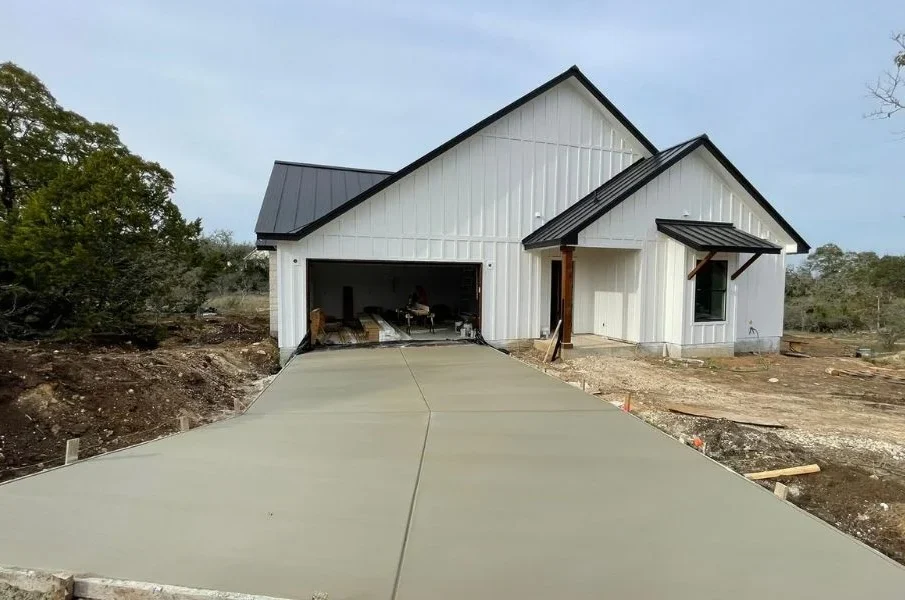
When choosing a contractor and selecting their finish, most homeowners forget to prepare on their end before the crew arrives. This gap ripples through the entire project from day one. The homeowner’s preparation directly impacts how smoothly work proceeds, and sometimes how the bill comes out. A concrete driveway contractor walking onto a properly prepared site starts productive work immediately. This is rather than spending the first hours resolving issues that should have been dealt with the week before.
Clear the access
Equipment arrives before the concrete truck does. Contractors need room to position machinery, stage forming materials, and walk the site before physical work begins. Any vehicles parked within or immediately adjacent to the project area need to be moved the evening before the start date, not the morning of. Objects sitting along the driveway edges and within the work perimeter need to come out completely. This covers more ground than most homeowners initially picture:
- Portable basketball hoops and sports equipment stored along driveway edges
- Garden ornaments, planters, and decorative items near the work zone boundary
- Bicycle racks, garbage bin storage, and any fixed-position items near the perimeter
- Outdoor furniture sitting close enough to the work area to interfere with equipment movement
- Children’s play equipment positioned within the footprint or immediately adjacent to it
Moving these items, the day before gives enough time to handle them carefully rather than rushing through them on the morning work begins.
Protect adjacent landscaping
The building process involves repeated passes of heavy equipment across the site. This traffic passes directly between established plantings and the garden beds. Compaction damage to root zones and physical contact from machinery edges are both real risks when nothing marks the boundary between the work zone and the surrounding landscape. Temporary boarding or flexible landscape edging placed at that boundary gives the crew a physical reference line to work within. It doesn’t need to be elaborate. A row of boards staked along the garden edge achieves what’s needed.
Irrigation heads and low-voltage lighting fixtures buried near the driveway perimeter deserve specific attention before excavation begins. A concrete contractor working through sub-base preparation has no way of knowing where these sit unless they’re marked clearly on the surface. Temporary survey flags or a line of spray paint along the path these features follow takes minimal time and removes a category of problem entirely from the project.
Confirm utility locations
Excavation for sub-base preparation reaches depths where buried services become relevant. The driveway could be crossed by water lines, electrical conduits, irrigation pipes, and communications cables. Most regions operate a utility marking service that sends locators to flag buried lines before excavation begins. To avoid a delay on the first morning of the project, contact that service early in the planning process. This will ensure markings are visible before the contractor starts. Most homeowners are unaware of the exact location of their service lines. Walks around the project area and records for irrigation or outdoor electrical systems identify what needs marking.