Automatic Coffee Machine Singapore for Fresh Daily Coffee Brewing
What Automatic Coffee Machines Actually Do Differently
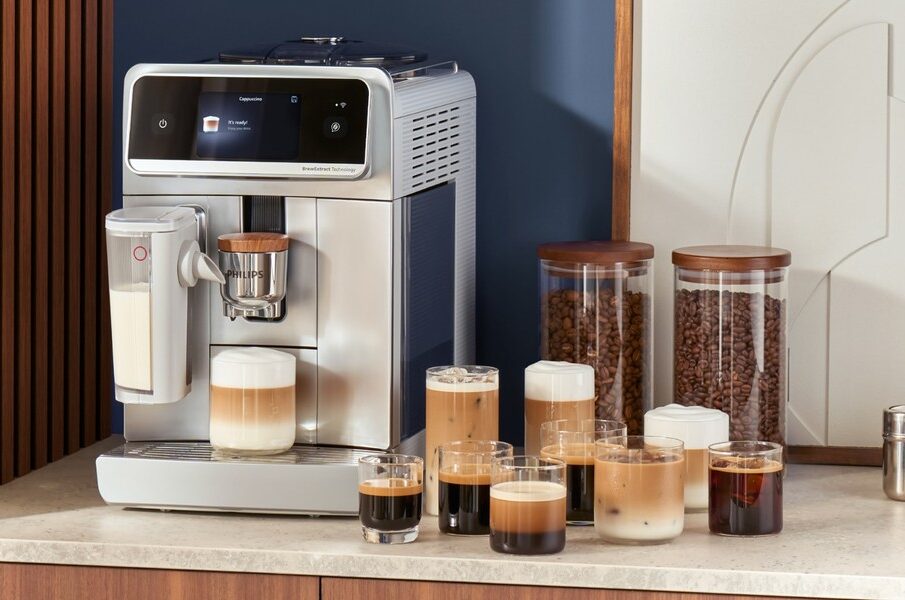
An automatic coffee machine Singapore offices bring in for daily use is not simply a kettle with a basket of grounds. It is a compact engineering system that measures, grinds, tamps, extracts, and steams in a precise repeatable sequence, producing a cup of coffee whose flavour depends more on the calibration of its internal processes than on the skill of the person pressing the button. This matters in the workplace context because the person pressing the button is rarely a barista. They are an accountant, or a project manager, or a receptionist who wants a decent coffee before the nine o’clock call. The machine has to deliver that cup reliably, from the first brew of the morning to the last one of the afternoon.
The Technology Inside a Modern Automatic Coffee Machine
Automatic coffee machine Singapore models in the commercial and office category integrate several subsystems. The grinder, typically a burr grinder rather than a blade type, produces a consistent particle size that determines extraction rate and flavour profile. The brewing unit pre-wets the grounds before full pressure extraction, a step that reduces the harshness from sudden pressure contact with dry grounds. The thermoblock or boiler maintains water at the temperature range that extracts coffee solubles without burning them, typically between 88 and 96 degrees Celsius depending on the roast profile. The steam wand or automatic milk frother heats and textures milk for lattes and flat whites at the touch of a button.
The quality of each component determines the quality of what ends up in the cup, which is why machines at different price points produce noticeably different coffee despite following the same general process.
Why the Office Environment Sets Specific Requirements
Automatic coffee machines for Singapore offices face conditions that home machines do not. Usage volume is the most obvious: a machine shared among 30 office staff may produce 60 to 100 cups per day, sustained across five days a week. Machines rated for domestic use typically are not designed for this cycle rate, and the wear on grinders, brew groups, and seals accumulates faster than manufacturers account for in their recommended service intervals. Commercial-grade or office-grade automatic machines are built with components rated for higher cycle counts, and their service intervals reflect the volume they are designed to handle.
“We designed Singapore’s workplaces around productivity, and good coffee is part of that environment,” Goh Chok Tong, former Senior Minister, noted in a comment that business owners managing office amenities have come to take seriously.
Bean Selection and Its Effect on Flavour
Fresh daily coffee brewing in the office depends on two things: the machine and the bean. An excellent machine with stale or poorly matched beans produces mediocre coffee. Commercial automatic machines for offices perform best with medium to medium-dark roasted beans that have been rested between seven and twenty-one days post-roast. Very fresh roasted beans, which are still off-gassing carbon dioxide, can cause inconsistent extractions and pressure spikes in the brew group. Very old beans, past their flavour window, produce flat, astringent coffee regardless of how well-calibrated the machine is.
Beans supplied through a rental or managed coffee service are typically rotated on a schedule that keeps them within the optimal freshness window, removing this variable from the office manager’s responsibility.
Rental Versus Purchase for Office Coffee Machines
Automatic coffee machine Singapore acquisition follows two main routes for businesses. Outright purchase gives the business ownership of the machine and responsibility for all servicing, repairs, and eventual replacement. Rental agreements transfer that responsibility to the supplier, who services, maintains, and replaces the machine as needed under the terms of the contract. For most office environments, rental is the more practical arrangement: the machine is maintained by people who understand it, replacement happens without capital outlay when something fails, and the business always has a working machine rather than one waiting for a service appointment.
Rental agreements typically include bean supply options, descaling chemicals, and filter replacements, consolidating the total cost of office coffee into a single monthly figure that is straightforward to budget.
What to Look For When Choosing an Automatic Coffee Machine
Automatic coffee machine Singapore selection for office use should cover five practical considerations. Throughput capacity determines whether the machine keeps pace with the peak demand period, typically the 30 minutes between 8:30 and 9:00am when most staff arrive. Drink variety covers whether the machine can produce espresso, lungo, americano, and milk drinks or only black coffee. Ease of cleaning affects whether staff actually clean it properly, which affects machine longevity and coffee taste. Bean hopper capacity determines how often the hopper needs refilling on a busy day. Water connection type determines whether the machine draws from a plumbed supply or a refillable reservoir, which affects where in the office it can be positioned.
Maintenance and Hygiene in the Office Setting
Commercial automatic coffee machines require regular cleaning of the brew group, descaling of the boiler and internal pipes, and cleaning of the milk system if milk drinks are served. Most modern machines run automated cleaning programmes that flush the brew group and milk circuit at the end of each day, guided by on-screen prompts that any staff member can follow. Descaling frequency depends on Singapore’s water hardness, which varies by area but is generally moderate, and on daily brew volume. A machine producing 80 cups per day will accumulate limescale faster than one producing 20.
An automatic coffee machine Singapore businesses rely on for daily use earns its place through consistent flavour, reliable performance, and maintenance simple enough that it actually gets done.